 Wellness
Kidney Health & Why It’s Important
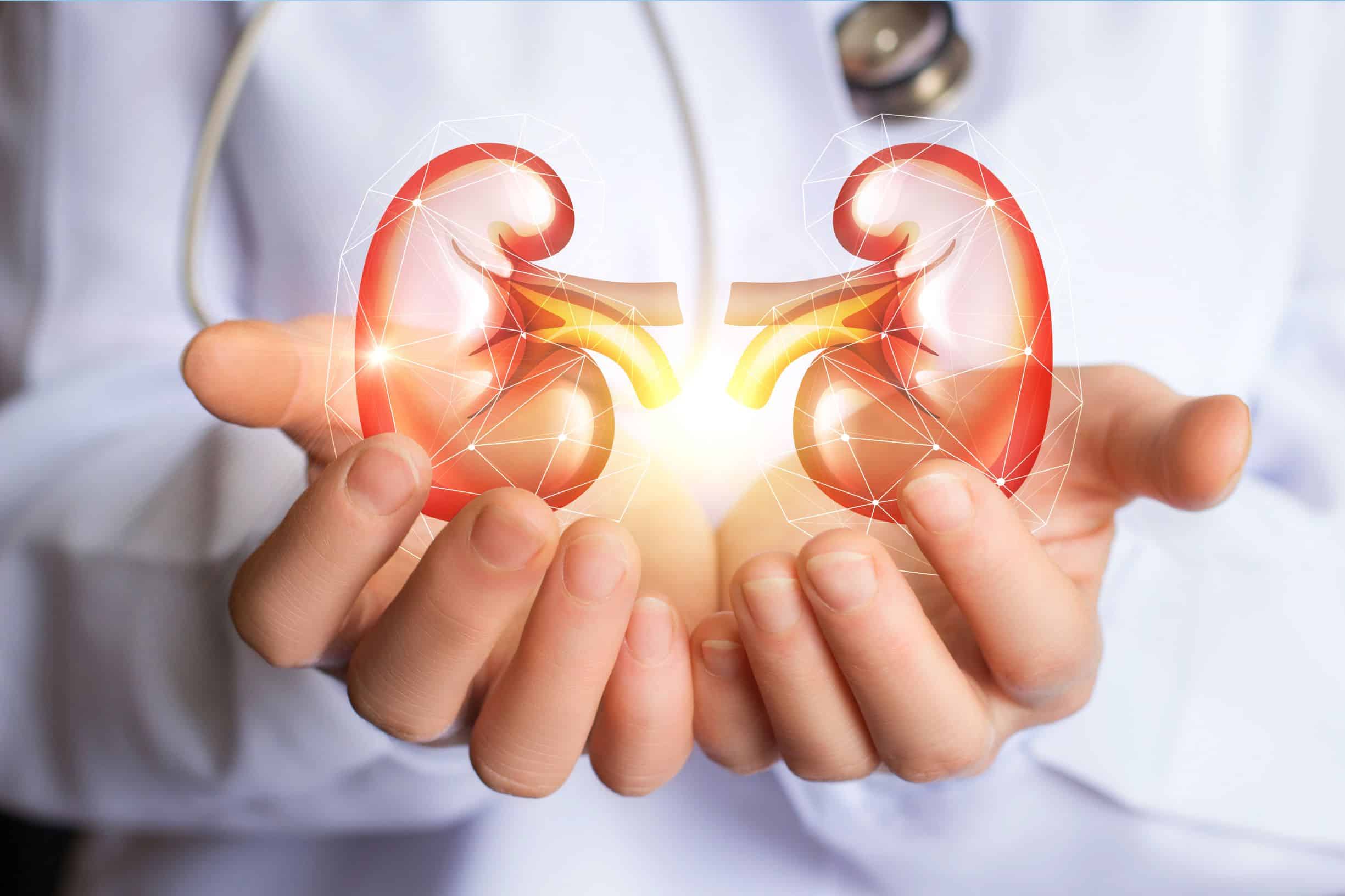
We have all probably heard about our kidneys and understand they are a vital organ and important to our health. However, some may not know what the kidneys do, how to keep them healthy or how prevalent kidney disease is. As March is National Kidney Health month, we felt it was a good time to dive deeper into this vital piece of our body and help answer some of these questions you may have. Below we discuss the kidney as a whole and what you can do to ensure their health.
What are the kidneys’ jobs/functions?
Our kidneys are fist-sized organs that are located at the bottom of the rib cage, on both sides of the spine. Among the jobs they are required to do, our kidneys filter waste products, excess water and other impurities from the blood. After being filtered through, these waste products are stored in your bladder and later expelled through urine.
In addition to filtering out waste, our kidneys also regulate pH, salt and potassium levels in our body, while also producing hormones that regulate blood pressure and control the production of red blood cells.
The kidneys also activate a form of Vitamin D that helps the body absorb calcium for building bones and regulating muscle function.
To sum it up, our kidneys play a significant role in keeping our body healthy and it’s important to do what you can to keep them healthy.
How to keep your kidneys healthy?
Now that we have discussed the important role our kidneys play in our lives, it’s important to know how to keep them healthy. To help, we have included a few tips you can use to keep your kidneys healthy and you might find that these tips aren’t as difficult as you may have thought.
- Keep fit/active: We know regular exercise can really help keep us in shape, but it can also help lower the risk of chronic kidney disease. Exercise can help reduce your blood pressure and boost your heart health, which are important in preventing kidney damage. Now, this doesn’t mean you have to run marathons or become a gym warrior. Simple exercises like walking, running or even dancing can be great for your health. When it comes to exercise, it’s important to find an activity that keeps you busy but more importantly, find an activity you think is fun.
- Control your blood sugar: People who have diabetes or a condition that causes high blood sugar, may develop kidney damage more easily. When your body’s cells can’t use the glucose in your blood, the body and your kidneys have to work extra hard to filter out the excess. The excess exertion over an extended period of time can lead to life-threatening damage.
- Monitor weight and eat a healthy diet: People who are overweight or obese are at risk for a number of health conditions that can damage the kidneys: diabetes, heart disease and kidney disease. Eating a healthy diet that’s low in sodium, processed meats and other kidney-damaging foods may reduce the risk of kidney damage. It’s recommended that you eat fresh ingredients that are natural low in sodium, such as cauliflower, blueberries, fish, and whole grains.
- Drink plenty of fluids: Fluid intake, especially water, is important for our bodies in many ways, but specifically beneficial for our kidneys. Regular, consistent water intake helps clear sodium and toxins from our kidneys and in turn helps lower the risk of chronic kidney disease. It is recommended to drink around 1.5 to 2 liters of water per day, but how much water a specific person needs will vary depending on gender, overall health, activity, etc.
- Be aware of the amount of OTC pills you take: Taking over-the-counter (OTC) pain medication on a regular basis can cause kidney damage. Nonsteroidal anti-inflammatory drugs (NSAIDs), including ibuprofen and naproxen, can damage your kidneys if taken regularly for chronic pain, headaches, or arthritis. People with no kidney issues who take the medication occasionally are likely in the clear, but if you use these medications daily, you could be risking your health. In this situation, it’s always important to talk with your doctor and gather their advice on potential kidney-safe treatment options.
Kidney Disease: Recognize symptoms and assess your risk
Outside of the role they play in helping our body perform, it’s important to keep our kidneys healthy since the risk of kidney disease is so high. Currently, 33% of adults in the United States are at risk for kidney disease, which is 1 in 3 people. Kidney disease is a major concern, since it often goes undetected for a long period of time and is only found when it is in the advanced stage. Unfortunately, when it is found, it has often progressed to the point where one would need dialysis or a transplant which makes it very difficult. The key to combating kidney disease is to find the trouble before it starts and regular testing can help you do that. Below we have listed a few risk factors to be aware of and some symptoms to look out for:
Risk factors:
- Diabetes (you or your family)
- High Blood pressure (you or your family)
- Heart Disease (you or your family)
- Obesity
- Age 60 or older
- Prolonged use of NSAIDs, such as ibuprofen and naproxen
- Kidney Stones
Symptoms:
- Fatigue, weakness
- Difficult, painful urination
- Foamy urine
- Pink, dark urine (blood in urine)
- Increased thirst
- Increased need to urinate (especially at night)
- Puffy eyes
- Swollen face, hands, abdomen, ankles, feet
Sources:
https://www.healthline.com/health/kidney-health#monitor-otc-pill-intake


Discover More
-
Wellness
Healthy Skin: Tips & Tricks

Not all services are appropriate for every patient and NextCare providers will determine recommended treatment and services based upon their clinical judgement and individual patient needs.
© 2026 NextCare