Conditions
Osteoporosis Symptoms Treatment: A Guide to Stronger Bones
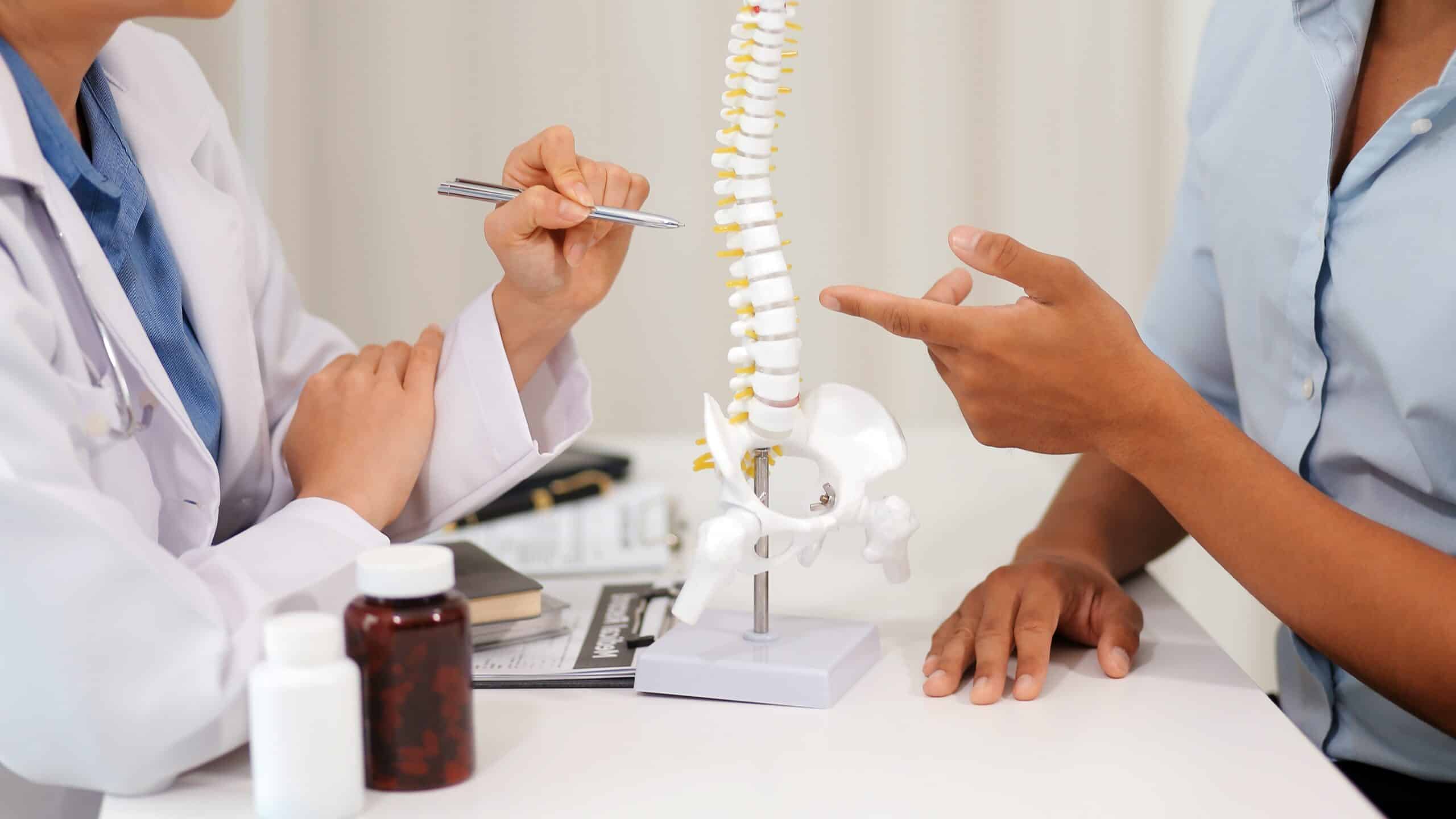
Living with bone-thinning conditions like osteoporosis can feel isolating. Although it affects millions of people, it's often only discussed in hushed tones. You might be struggling silently, wondering about changes in your body. Perhaps you've even googled "osteoporosis symptoms treatment," desperate for answers and reassurance. This post will shine a light on this common condition, discussing symptoms, causes, and how treatment options can help you regain strength and peace of mind.
NextCare is one of the nation’s largest providers of urgent care and occupational medical services. With 170+ clinics in Arizona, Colorado, Kansas, Michigan, Missouri, Nebraska, New Mexico, North Carolina, Oklahoma, Texas, Virginia and Wyoming, we offer exceptional, affordable care to patients across the country.
Understanding Osteoporosis: A Silent Threat
Osteoporosis, often referred to as a "silent disease," weakens bones, making them susceptible to fractures. Early on, you might not experience noticeable symptoms. The first sign is sometimes a broken bone from a minor fall, a jarring reminder of your bone vulnerability.
Bones aren’t static; they constantly break down and rebuild throughout your life. However, after your mid-30s, bone breakdown outpaces formation, leading to a gradual bone density decrease. While a certain degree of bone loss is expected with age, osteoporosis significantly accelerates this process, significantly elevating your risk of fractures.
Spotting the Subtle Signs
Osteoporosis might be a silent thief of bone density, but this thief does leave clues. Recognizing these signs can be critical in seeking timely osteoporosis symptoms treatment.
Gradual Height Loss: More Than Just "Getting Older"
Have you noticed your clothes fitting differently? Perhaps you've shrunk an inch or more. It might be tempting to dismiss this as a normal part of aging, but it can be a warning sign of spinal fractures caused by osteoporosis. These subtle fractures often go unnoticed until a significant height decrease becomes apparent.
Back Pain: A Signal From Your Spine
Back pain, particularly in the lower region, can signify weakened or fractured vertebrae. As bones thin, the spine struggles to support your weight, leading to discomfort and changes in posture.
Posture Changes: Stooping Forward
Osteoporosis-related spinal fractures often cause a forward-leaning posture, making it appear like you’re constantly stooping. It might be mistaken for poor posture, but the underlying cause can be weakened vertebrae unable to support your body properly. This can lead to a loss of height and changes in your appearance.
Fractures: When Bones Become Fragile
While not a symptom in itself, an increased susceptibility to fractures, particularly in the hip, wrist, and spine, serves as a red flag for osteoporosis. A minor fall or even a forceful cough can lead to broken bones, highlighting the fragility this disease causes. These fractures can be slow to heal and may lead to long-term pain and disability.
Risk Factors: Who Is Most Vulnerable?
While anyone can develop osteoporosis, certain factors significantly elevate your risk. Knowing where you stand is the first step in proactively managing your bone health and seeking appropriate osteoporosis treatment.
Non-Modifiable Risks
- ⊕ Gender: Women are more prone to developing osteoporosis than men. This increased susceptibility stems from hormonal changes during menopause, which accelerate bone loss.
- ⊕ Age: The risk of osteoporosis increases as we age, especially after the age of 50.
- ⊕ Race: Studies suggest Caucasian and Asian women face a greater risk than those of other ethnic backgrounds.
- ⊕ Family History: Having a parent or sibling with osteoporosis, particularly a history of hip fracture, puts you at a higher risk. This is because bone density has a genetic component.
- ⊕ Body Frame Size: Naturally thin or smaller-framed individuals are more likely to develop osteoporosis, often starting with lower peak bone mass.
Modifiable Risks
- ⊕ Hormonal Imbalances: Conditions affecting hormone levels, particularly those reducing estrogen in women or testosterone in men, can contribute to bone loss. Thyroid disease, for example, can interfere with bone metabolism, while certain medications used to treat prostate cancer and breast cancer can lower hormone levels. These imbalances often require specific treatments to manage not just the underlying condition but also the increased osteoporosis risk.
- ⊕ Dietary Habits: Chronic calcium or vitamin D deficiency can severely impact bone health. Calcium is essential for bone formation, and vitamin D helps your body absorb calcium.
- ⊕ Lifestyle Factors: Smoking, excessive alcohol consumption, and leading a sedentary lifestyle are controllable risk factors strongly linked to osteoporosis. Smoking damages bone cells and interferes with calcium absorption. Excessive alcohol consumption can also lead to bone loss and increase your risk of falls.
- ⊕ Medications: Certain drugs, like corticosteroids used for inflammation, treatments affecting hormone levels, or proton pump inhibitors used to reduce stomach acid, can accelerate bone loss and necessitate additional preventive measures.
- ⊕ Medical Conditions: Some medical conditions like rheumatoid arthritis, inflammatory bowel disease, and celiac disease, can also increase the risk of developing osteoporosis. Gastrointestinal diseases can affect calcium absorption, leading to weakened bones over time.
Seeking Effective Osteoporosis Symptoms Treatment
If you suspect osteoporosis or have risk factors, consulting with a healthcare provider is crucial. They can perform a bone density test, one of the most common density tests used to determine bone strength. Based on the test measures, they can recommend a personalized osteoporosis symptoms treatment plan tailored to your needs and overall health. Treatment may include lifestyle modifications, medication, or a combination of both.
Lifestyle Modifications
Making changes to your daily routine is often the first line of defense against osteoporosis. Simple but powerful lifestyle modifications can significantly slow bone loss and lower your risk of fractures.
Nutrition: Building a Bone-Healthy Diet
Consuming a balanced diet rich in calcium and Vitamin D is paramount for strong bones. In addition to a healthy diet, your doctor may recommend calcium and vitamin D supplements. Incorporating the following foods can fortify your skeleton:
| Food Group | Examples |
|---|---|
| Dairy Products | Milk, Yogurt, Cheese |
| Leafy Green Vegetables | Spinach, Kale, Collard Greens |
| Fortified Foods | Cereals, Orange Juice (with added calcium and vitamin D) |
| Fatty Fish | Salmon, Tuna, Sardines |
Weight-Bearing Exercise: Challenging Gravity
Engaging in regular weight-bearing activities, at least 30 minutes most days, strengthens bones and enhances overall health. Weight-bearing exercises force you to work against gravity, which helps build bone density. Walking, jogging, and dancing are excellent ways to challenge your bones and improve their strength.
Strength Training: Muscle for Bone Support
Incorporating strength training exercises using weights or resistance bands builds muscle, further supporting your bones. Aim for at least two sessions per week, focusing on major muscle groups. Examples of strength training exercises include lifting weights, using resistance bands, and doing bodyweight exercises such as push-ups and squats.
Lifestyle Adjustments: Breaking Bad Habits
Quitting smoking and limiting alcohol intake are crucial lifestyle changes that benefit overall well-being. They also reduce the risk factors directly associated with increased bone loss. It's also important to prevent falls, especially as you get older. Make your home safer by removing tripping hazards, using non-slip mats in the bathroom, and ensuring adequate lighting.
Medical Treatments: Medications for Stronger Bones
For those with existing osteoporosis or deemed at high risk of fracture, doctors often prescribe medication to strengthen bones and reduce fracture risk.
Bisphosphonates: Slowing Down Bone Loss
These commonly prescribed medications help slow the breakdown of bone, increasing density and minimizing fracture susceptibility. They work by slowing down the cells that break down bone, allowing the bone-building cells to work more effectively.
Other Therapies: Tailored Approaches
Depending on individual needs and health history, your healthcare provider might recommend other medications like Denosumab, hormone therapy, or even bone-building injections to address underlying issues contributing to osteoporosis. Denosumab is a monoclonal antibody that blocks a protein that is involved in bone breakdown. Hormone therapy can be used in some cases to help maintain bone density, particularly in women who are experiencing menopause. Bone-building injections, such as teriparatide and abaloparatide, are synthetic forms of parathyroid hormone, which stimulates new bone growth.
FAQs about osteoporosis symptoms treatment
While there’s no overnight fix, a combination of medication, weight-bearing exercise, and adequate calcium and Vitamin D intake helps accelerate bone density improvements. It is important to note that bone density increases gradually, and it may take several months to see significant improvements. However, it’s essential to consult a healthcare professional for personalized advice, as the fastest approach varies depending on individual needs.
Unfortunately, osteoporosis can’t be completely reversed. But, the good news is, early detection and consistent treatment can slow down bone loss, increase bone density, and significantly reduce the risk of fractures. While it may involve long-term management, living a healthy, active life with osteoporosis is entirely achievable.
Having osteoporosis itself doesn’t necessarily shorten your lifespan. However, fractures resulting from osteoporosis, especially hip fractures, can have a significant impact on mobility and overall health in older adults. The key takeaway here is not to focus on a fixed number, but to focus on risk mitigation. A holistic approach to treatment significantly reduces fracture risk and improves long-term health prospects for those living with osteoporosis.
There isn’t a one-size-fits-all answer to treating osteoporosis. The best treatment depends on your individual needs and risk factors, such as your age, bone density, and overall health. While some benefit from lifestyle modifications alone, many require medications alongside these changes for optimal results. It’s crucial to discuss your specific situation with your doctor to determine the most effective course of treatment.
Conclusion
Osteoporosis symptoms treatment requires a multi-pronged approach. Understanding this disease, recognizing subtle warning signs, and proactive management through lifestyle modifications and medical interventions empowers individuals to take control of their bone health. While the journey might seem overwhelming, proactive management is not only possible; it's vital. By prioritizing bone health, you pave the way for a stronger, more confident future.
Treatment options are tailored to the patient's current condition and the examples are to be used as possible treatment options. The actual treatment will be determined after an assessment performed by a medical professional. Additionally, procedures are recommended only after a comprehensive evaluation and a thoughtful determination of the most appropriate treatment options.


Discover More
-
Conditions
Common Causes and Solutions for Body Odor
-
Conditions
How to Identify Rash Causes and Symptoms

Not all services are appropriate for every patient and NextCare providers will determine recommended treatment and services based upon their clinical judgement and individual patient needs.
© 2026 NextCare